
Adoption After Infertility Counseling
When the path to parenthood changes direction.
You spent years trying to get pregnant. The fertility treatments, the hope, the heartbreak. Now you're considering adoption, or maybe you've already decided. At Dancing Bee Counseling in Madison, Wisconsin, Abby Lemke, MS, LPC-IT provides specialized support for the emotional weight of transitioning from infertility treatment to adoption, including the grief work that makes healthy adoptive parenthood possible.

Adoption Is Not Plan B
But it might feel that way right now. And that's okay to admit.
You imagined pregnancy. You imagined seeing your features in your child's face, feeling them kick inside you, that biological connection you assumed would be part of parenthood. Adoption wasn't what you pictured when you started trying to build a family. It's what emerged after the pregnancy tests, the IVF cycles, the miscarriages, the years of treatment that didn't give you what you wanted most.
Moving from infertility to adoption isn't a simple switch. It's a grief process. You're not just choosing a different path to parenthood. You're letting go of the biological child you hoped for, the pregnancy you wanted, the version of your family that existed in your mind for years.
That grief doesn't mean adoption is wrong for you. It means you're human. You wanted something, you couldn't have it, and that loss deserves acknowledgment before you move forward.
Adoption after infertility counseling isn't about talking you into or out of adoption. It's about processing what brought you here, grieving what you're leaving behind, and arriving at adoptive parenthood whole rather than broken.
What Transitioning to Adoption Feels Like
Moving from fertility treatment to adoption brings up emotions that may surprise you with their intensity. These feelings don't mean you're making the wrong choice.
Grieving the Biological Child
It's natural to mourn the child you imagined—the one who would have shared your features and family traits. This grief deserves space as you move toward adoption.
Feeling Like You're Giving Up
Choosing adoption after infertility can bring feelings of defeat or inadequacy. With time, it often becomes clearer that you are choosing parenthood, not abandoning something you "should" have achieved.
Worries About Bonding
Many people worry about whether they will love an adopted child in the same way. These fears are common, and most adoptive parents find their bond grows naturally once their child arrives.
Anger at Your Body
Anger toward your body or toward the ease with which others conceive is a valid part of infertility grief. Therapy provides space to express and understand these emotions.
Lingering Jealousy
Seeing pregnancy announcements or pregnant people may still hurt, even after choosing adoption. Grief and hope can coexist; adoption does not erase the impact of infertility.
Uncertainty About the Process
Adoption involves its own kind of waiting and uncertainty. Navigating home studies, matching, and legal steps can feel overwhelming and requires support.
Feeling Between Worlds
You may feel disconnected—from those still pursuing fertility treatment and from those already parenting through adoption. This in-between space can be lonely and confusing.
Relief Mixed With Guilt
It's common to feel relief when stepping away from fertility treatment, followed by guilt for feeling better. You're allowed to experience both lightness and sadness at the same time.
Adoption After Infertility Counseling
Specialized therapy for the transition from fertility treatment to adoption, addressing both the grief of infertility and preparation for adoptive parenthood.
Pre-Adoption Grief Work
A space to acknowledge and integrate the grief of not having a biological child before beginning the adoption process. This work helps ensure you move forward without carrying unresolved pain into your future family.
Decision Support
Support in exploring whether to pause treatment, begin adoption, or navigate differing timelines within a partnership. We focus on clarity without pressure and honor the needs of everyone involved.
Couples Counseling
Infertility and the shift toward adoption can strain relationships. Couples support helps you stay connected, communicate openly, and navigate this transition together.
Bonding Anxiety
Many people worry about whether they will bond with an adopted child. These concerns are normal. Together, we explore what's underneath the fear and how to prepare for connection and attachment.
Home Study Preparation
The home study can feel intrusive, especially after years of medical scrutiny. I help you prepare emotionally for the process and understand what to expect.
The Adoption Wait
Waiting to be matched can be stressful and uncertain. Therapy provides steadiness during this liminal period so you can stay grounded and supported while you wait.
Who Seeks Adoption After Infertility Counseling?
Still in treatment but starting to wonder if adoption might be your path
Recently decided to stop fertility treatment and feeling the weight of that choice
Grieving the biological child you hoped for before you can move forward
Afraid you won't love an adopted child the same way and need to work through this fear
Partners disagreeing about whether to stop treatment or pursue adoption
In the adoption process but infertility grief keeps surfacing
Preparing for home study and want emotional support through the process
Waiting for a match and struggling with the uncertainty and lack of control
The transition from infertility to adoption is one of the biggest emotional shifts you'll ever make. You don't have to make it alone.
Schedule a ConsultationQuestions About Adoption After Infertility
Should I stop fertility treatment and adopt instead?
This is an extremely personal decision, and there is no single "right" answer. Some people reach a natural stopping point on their own, while others need space to sort through the many factors involved—emotional capacity, financial considerations, age, relationship strain, the impact of previous cycles, and what continuing treatment realistically means for their well-being.
Choosing adoption is not giving up; it is choosing a different pathway to the family you hope to build. Reflective questions can help, such as: Am I continuing treatment because I want to, or because I feel I should? If I stopped now, would I feel relief, regret, or something in between? What would adoption represent to me at this point in my journey?
A therapist who specializes in fertility and family-building can help you explore your options without pressure and support you in making a choice that aligns with your values and emotional needs.
Why See an Adoption After Infertility Specialist?
Understanding Both Worlds
I'm familiar with both infertility and the transition to adoption, so you won't need to explain why certain comments or experiences were painful. I understand the emotional complexities on both sides.
Skilled Grief Support
Pre-adoption grief deserves thoughtful attention. I help you honor the loss of a biological child so you can move toward adoption with greater clarity and emotional readiness.
ASRM-Informed Training
My training includes specialized focus on the emotional aspects of infertility and the transition to alternative paths to parenthood.
Support Without Pressure
I won't steer you toward adoption or continued treatment. My role is to help you explore your options and support you through whatever decision feels right for you.
Adoption After Infertility Counseling in Madison, Wisconsin
Dancing Bee Counseling provides specialized adoption transition support from our Waunakee office. Telehealth sessions are available throughout Wisconsin.
Dancing Bee Counseling
Serving Dane County and Beyond:
Serving patients from UW Fertility, Forward Fertility, and Wisconsin Fertility Institute as they consider next steps.
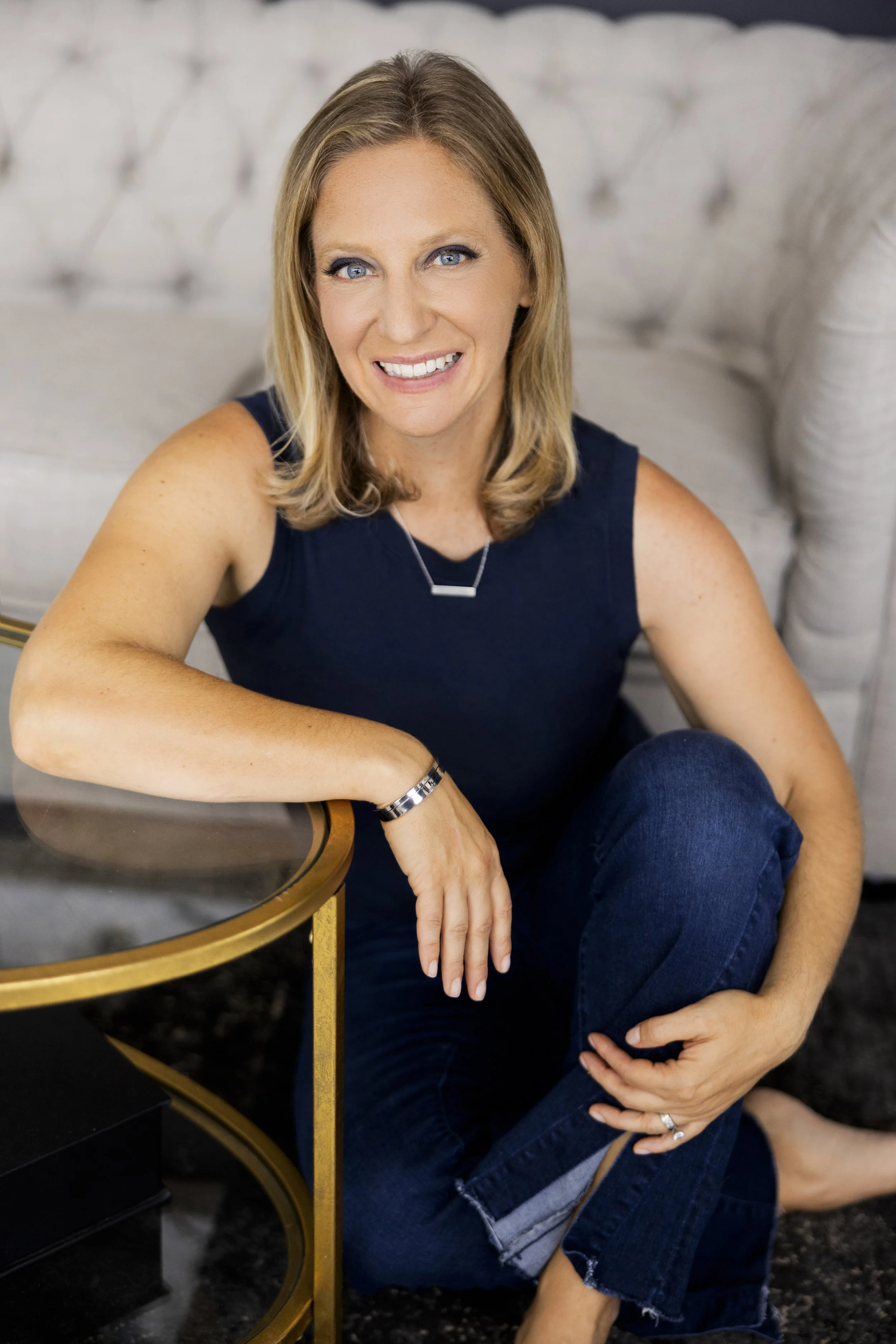
Abby Lemke, MS, LPC-IT
Reproductive Mental Health Specialist
I founded Dancing Bee Counseling because I saw how many people were struggling through fertility challenges without adequate support. The transition from infertility to adoption is one of the most emotionally demanding shifts people make, and it deserves specialized care.
I provide adoption after infertility counseling that honors where you've been and prepares you for where you're going. This isn't about rushing you through grief to get to adoption. It's about doing the work that allows you to arrive at adoptive parenthood whole, ready to love your child without the shadow of unresolved loss.
A Different Path Is Still a Path
Adoption after infertility isn't settling. It's choosing parenthood through a door you didn't originally plan to walk through. Support for that choice is here.
In-person in Waunakee · Telehealth throughout Wisconsin
The Unhelpful Comments
People who haven't experienced infertility say things that minimize your experience and oversimplify adoption.
"Why Don't You Just Adopt?"
The most common and most hurtful phrase. As if adoption is simple. As if it erases infertility grief. As if wanting a biological child is something you should just get over. This dismissal ignores everything you've been through.
"There Are So Many Kids Who Need Homes"
This implies you're selfish for wanting a biological child and that adoption is charity. Adopted children aren't rescued. They're wanted. This framing is harmful to adoptees and adoptive families.
"You'll Love Them Just the Same"
Said to reassure you, but it dismisses the valid fear that many prospective adoptive parents have. The anxiety about bonding is real and deserves more than a quick dismissal.
"Maybe You Were Meant to Adopt"
The "meant to be" narrative suggests infertility happened for a reason. That your suffering was part of some plan. This theological framing can feel dismissive and even cruel.
"At Least You'll Finally Be a Parent"
The "at least" minimizes everything that led here. Yes, you want to be a parent. That doesn't mean the path to get here wasn't painful. Both things matter.
"My Neighbor Adopted and Then Got Pregnant"
The myth that adoption leads to pregnancy. This isn't statistically supported and implies adoption is somehow a fertility treatment. Your adopted child isn't a good luck charm.